
Build apps with
images, video
and sound.
Create media with your AI engineer. Build it into a real app.
Launch with the entire ITZA stack built in.
Enter workspaceSign in with your ITZA identity.
Ocean AtlasA media-rich learning app
Interactive product illustration
ImagesProject assets

Reef world · artwork reference
Asset referenceLesson screen
Device previewOcean Atlas
Ocean AtlasExplore the reef
Explore the habitat
Meet the reef.
Follow a sea turtle through a world of coral, colour and life.
What can you discover?
Coral creates shelter for fish and many other animals. A healthy reef is a connected community.
Give the world its character.
Create the lesson cover, explore candidates and refine the chosen image. Retain its revisions, then reference it from the lesson screen.
VideoProject assets
Reef introduction · lesson clip
Asset referenceLesson screen
Device previewOcean Atlas
Ocean AtlasExplore the reef
Watch the lesson
A closer look.
Bring the world into focus before exploring it. Play the sample lesson clip above.
Show how the story moves.
Create and review a lesson video in its own canister. Keep the selected clip linked to the screen that uses it, with edits and context close by.
MusicProject assets
Ocean AtlasBelow the surfaceAmbient learning soundtrack
Soundtrack · selected reference
Asset referenceLesson screen
Device previewOcean Atlas
Ocean AtlasExplore the reef
Set the atmosphere
Explore at your pace.
A gentle soundtrack gives the lesson a sense of place.
Create a soundtrack for the experience.
Shape the mood in Music. Generate, listen, describe an edit and retain revisions. Reuse the selected track wherever the app needs it.
Sound effectsProject assets
Discovery cue
Sound effect · discovery event
Asset referenceLesson screen
Device previewOcean Atlas
Ocean AtlasExplore the reef
Connect sound to behavior
You found the turtle.
Press the button to hear the discovery cue.
Make every action feel intentional.
Work on short, specific sounds in Sound effects. Preview candidates, refine timing and connect the chosen sound to a discovery, interaction or reward.
Voice & narrationProject assets
Lesson narration
“A coral reef is a living neighborhood. Follow the sea turtle, explore the reef, and discover how its inhabitants depend on one another.”
Voice · opening explanation
Asset referenceLesson screen
Device previewOcean Atlas
Ocean AtlasExplore the reef
Listen and explore
A living neighborhood.
Spoken explanations bring another way to learn.
Give the lesson a voice.
Create and refine spoken explanations in Voice & narration. Keep the script, audio and chosen revisions together, then attach the narration to its lesson.
Explore a representative app made from artwork, a motion clip and audio samples. This product illustration shows how media fits the workspace; it is not a live generation session. Playback starts only when you choose it.
Think in screens.
Design in connections.
Describe your idea, then shape it visually. Edit a flowchart, arrange a screen and attach the media it uses. Your AI engineer builds from the design you accept.
Ocean Atlas · Design canvasInteractive product illustration
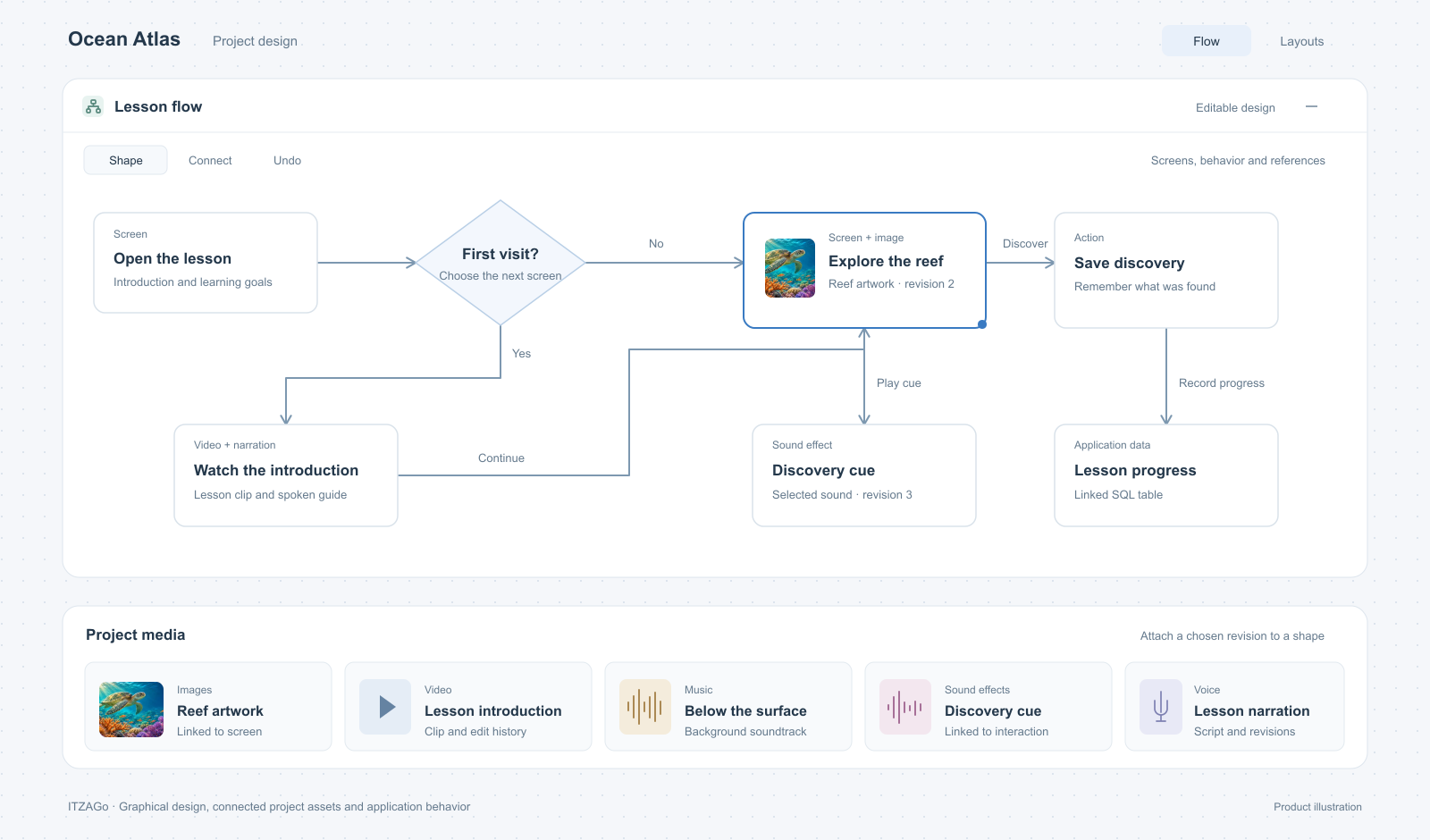
Proposed change: add a Help screen
Keep your existing screens and labels. Add a Help destination connected to the lesson.
Screen shapes and decision branches describe behavior. Media and data nodes carry the references behind it.
Reef explorers
A living neighbourhood.
Follow the turtle. Discover the connections that keep a reef alive.
Explore the reefInspect screens, layouts, diagrams, schemas, connectors and workflows together. Missing destinations should become decisions, not surprises in the build.
Reef explorers
A living neighbourhood.
Follow the turtle. Discover the connections that keep a reef alive.
Explore the reefReef explorers
A living neighbourhood.
Follow the turtle. Discover the connections that keep a reef alive.
Explore the reefAI proposes. You decide.
Review proposed graph and layout changes before adoption. Keep manual work, undo an edit and choose the plans and references that enter the accepted instructions.
Layouts and flows work together.
A screen plan defines purpose, actions, states, data and completion criteria. A layout defines placement. A behavior flow defines what happens next.
The design becomes build context.
Accept a retained Markdown brief with your decisions. Development gets the agreed direction in its own conversation, with real source and follow-up context.
The media is only
half the story.
The app needs to remember people, store their work, respond to events and run somewhere. ITZAGo brings creative tools and an AI engineer together with ITZA’s own infrastructure.
Store the experience
ITZA storage holds images, video, sound and project assets. Thumbnail galleries and durable references keep the working canvas light.
Make it an application
SQL holds user records and progress. VMs, app logic and agents coordinate behavior. Identity and access connect each person to the right experience.
Run it on ITZA
Native hosting serves the app. Payments support access and transactions. Events and notifications bring people back when something changes.






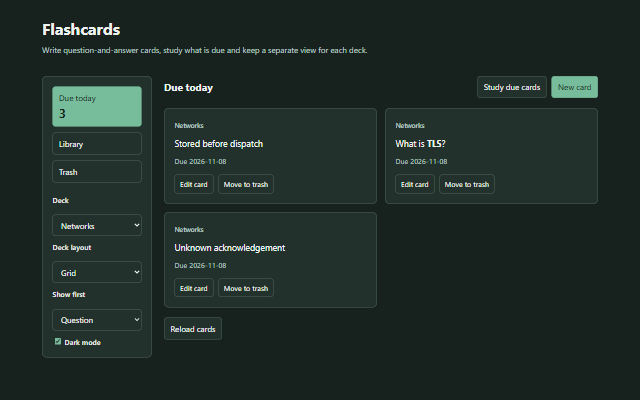
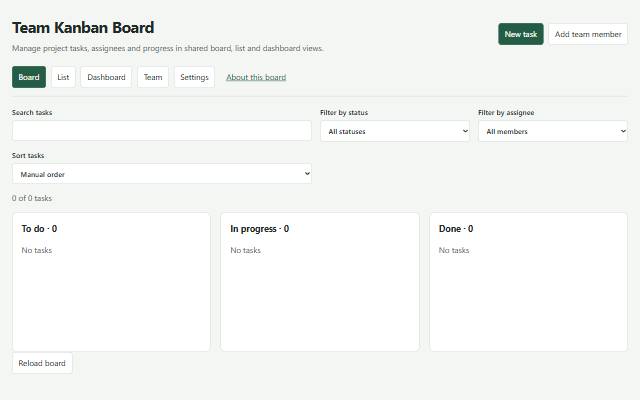
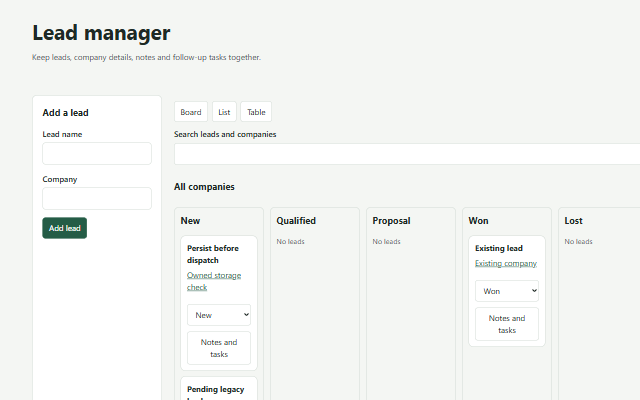
Make the asset.
Keep its context.
Use it in the app.
Images, Video, Music, Sound effects and Voice & narration are focused workspaces. Each has its own controls, candidates, conversation and revisions.
Create & choose
Prompt in the appropriate canister. Browse lightweight candidates, open the original and preview or play what you are choosing.
Refine & retain
Describe an edit with the original context preserved. Keep revisions and choose the version that belongs in this project.
Connect & build
Attach the chosen asset by reference to a screen or editable flow. Your AI engineer uses it in the actual app, alongside behavior and data.
Plan how the experience
comes together.
Decide what people will see, hear and do. Connect artwork, clips, audio and interactions to screens and data before asking your AI engineer to build.
Refine the brief in conversation, arrange a layout or draw a flow. Review and accept the instructions when the direction is clear. Planning keeps its own conversation; Development gets the agreed brief.
See how planning worksOcean Atlas
A media-rich learning app with private progress.
- Use the agreed lesson screen and navigation.
- Attach the selected reef artwork by reference.
- Save progress with ITZA application data.
- Check that learners can resume on another viewport.
Planning decisions → Development context
A workspace that
remembers your thinking.
Keep planning, media, source and device views open together. Every project restores its own camera, arrangement, conversations and references.
ProjectsOcean AtlasStudio ledgerMy shop
Planning · Design · Create · Build Panels can pin or auto-hide
Screen plan
Reef lesson
Purpose · Actions · States · DataImagesOriginal · contextual edit · revisions
Original · contextual edit · revisionsPreview feedback
Choose an element.
Request the change in context.
SourceMusicBrandDataChecks
Expanded windows and compact canisters keep separate positions.
Several views. One project.
Desktop, iPhone, Android and tablet canisters stay open together. Set custom dimensions, aspect and orientation; follow the latest release or pin a version.
Focused edits, retained originals.
Images, Video, Music, Sound effects and Voice have their own prompts, candidates and revisions. An edit starts with the original context. Asset Library reuses references across the project.
Room for the work that matters.
Minimize players and frames, browse lightweight thumbnails, and restore originals when needed. Authorized background work can continue. Floating panels reveal on edge hover or stay pinned with inset eye controls.
A place for every
part of the project.
Canisters are movable windows with their own tools and conversations. Open what you need, minimize what you don’t, and arrange the canvas around the way you think.
Make the idea clear before the AI builds it.
Use Planning to define your audience and outcomes. Screen plans capture actions, states and acceptance criteria. Arrange screen layouts and edit vector flows to show how screens, decisions and data connect.
- Planning
- Screen plans & layouts
- Diagrams
- Research & references
Give each medium its own working space.
Prompt, browse and revise inside Images. Music, sound effects, video and voice have their own conversations and controls. Keep writing, translations and documents close to the work they belong to.
- Images & video
- Music, effects & voice
- Written content & translations
- Documents & Asset Library
Work on the application behind the screen.
Development turns accepted instructions into changes to real source files. Bring in reusable components, define data and schemas, configure connections and set the project’s brand and theme.
- Development & Source code
- Application data & schemas
- Connectors & components
- Brand & theme
Keep the result, the checks and the history together.
Review testing and feedback, compare device previews, and follow activity and resources. Manage build instructions, AI and hosting, automations and access from focused canisters.
- Device previews
- Testing & feedback
- Activity & resources
- Agents, hosting & access
Each project keeps its own canvas, camera, canister positions, conversations and references. Switch projects without losing your place.
A useful starting point.
Still yours to change.
Browse maintained templates for websites, applications and games. See the included behavior, adjust the settings and adopt real editable files with a suggested plan.
Choose a template visuallyPreview interfaces, then adopt editable source.Keep the version you choseAdjust shared settings without regenerating the app.
Change the settings, not the whole app. Shared design tokens cover copy, colours, type, spacing, corners and layouts. Many refinements need no new AI generation.
A version you can build on. Your project retains the exact template package and version. Upstream changes don’t overwrite your files.
From accepted plan
to a checked release.
The canvas is connected to the work itself: source changes, compilation, testing and delivery to ITZA. See the progress and keep the context for the next change.
Accept the brief
Agree the screens, behavior, data and completion criteria. The accepted document goes to Development; the planning conversation stays separate.
Build from real source
The AI engineer changes project files on the server. Dependencies, compilation and execution run in an isolated sandbox, with progress and history in view.
Pass the saved checks
Delivery waits for your checks to pass. A bounded repair can address failures without changing the accepted checks. Failed work preserves the working release.
Confirm on ITZA
Authorize delivery to ITZA hosting. Once the release is confirmed, previews refresh. Follow-up changes start from retained source and accepted context.
Reef explorers
A living neighbourhood.
Follow the turtle. Discover the connections that keep a reef alive.
Explore the reefReef explorers
A living neighbourhood.
Follow the turtle. Discover the connections that keep a reef alive.
Explore the reefSee the same app.
At different sizes.
Keep desktop, phone and tablet previews open together. Adjust dimensions, orientation and aspect ratio, or set a custom viewport.
Follow the latest confirmed release or pin a version. Minimize a view and return to its saved position when you need it again.
Device frames show responsive web viewports, not native operating-system emulation.
Your AI engineer.
Your whole stack.
ITZA is an original blockchain platform. ITZAGo brings its hosting, SQL, storage, identity and financial capabilities directly into the way you plan and build.

ITZAOrbitYou built it.
You built it.
Help people find it.
Take your app from the workspace to a place people come to discover what’s possible on ITZA.
Discover ITZAOrbitA storefront for your app
Show the experience with screenshots, your app’s story, supported devices and release details.
Discovery beyond a shared link
Search, categories and approval filters help people explore the ITZA app ecosystem.
Publish on your terms
A personal project can stay for you. Choose an Orbit listing when you want a public audience.
Questions about ITZAGo
Do I need to be a programmer?
No. Begin with the problem and who the app is for. Plain-language planning, screen layouts, editable flows and references help you explain the result. Developers can work directly with the source, schemas and ITZA libraries.
What happens when I enter the workspace?
Sign in with your ITZA identity, then create or select a project. Each project has its own saved canvas, conversations and references. The public website introduces the product; the canvas is where you plan, build and manage it.
Is everything one long AI chat?
No. Planning and Development have separate conversations, and media canisters have controls and conversations appropriate to their content. Your accepted brief carries the agreed direction into the build.
Can I build everyday apps?
Yes. Build a booking service, community, shop, client portal, personal tool, website or game. ITZA provides the underlying infrastructure; you choose the capabilities the idea needs.
What happens when a build fails its checks?
Delivery is gated on saved checks passing. A bounded repair can feed failures back to the AI while keeping the accepted checks unchanged. Failed work preserves the working release.
Does signing in authorize a deployment?
No. ITZA sign-in identifies you. Preview publication and production releases require the appropriate authorization; sign-in alone is not permission to sign transactions.